Charitable Planning
Give More to What Matters, Less to Taxes
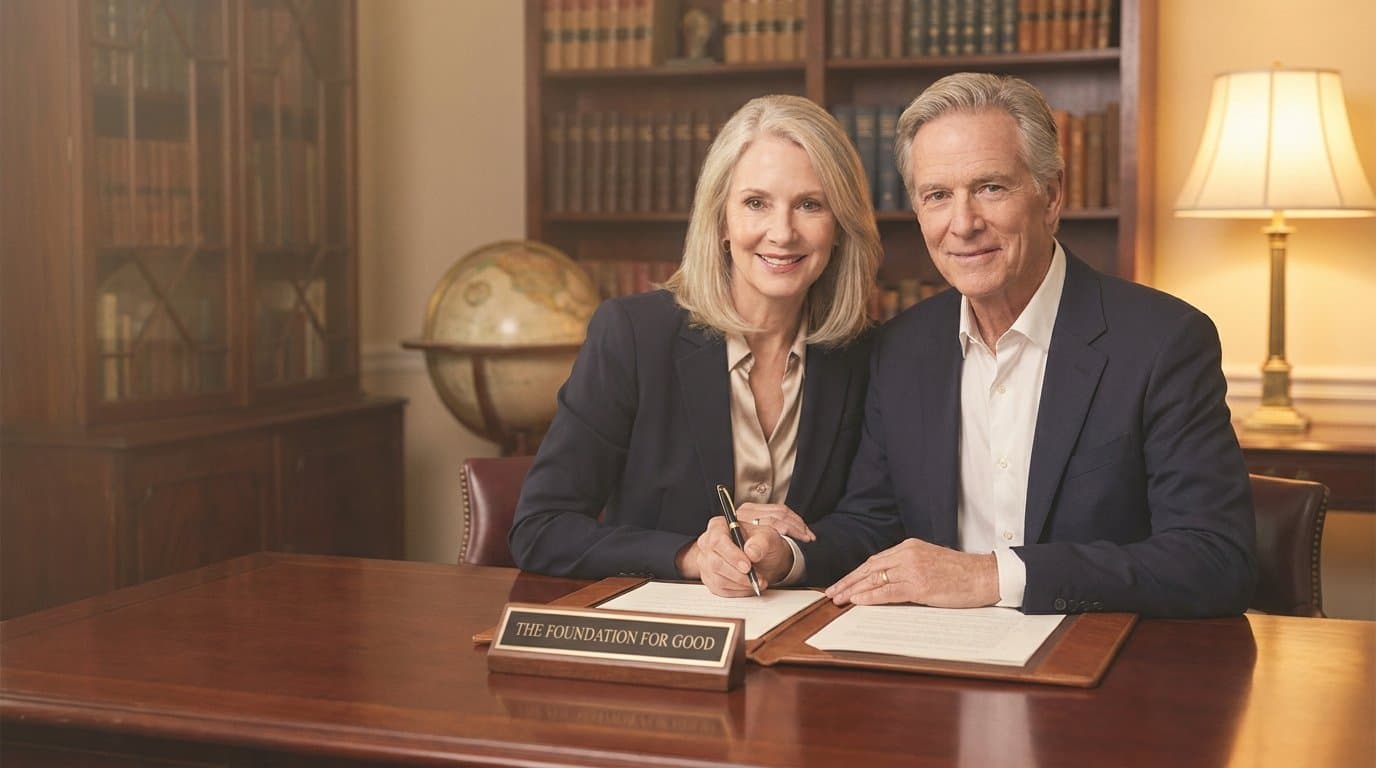
Strategic charitable giving isn't just generosity — it's a powerful component of a well-crafted financial plan. We help you give in ways that maximize impact for causes you love and tax efficiency for your family.
Key Challenges
Most Families Give Without a Strategy
Ad hoc charitable giving often delivers far less impact — for causes and for your tax return — than a coordinated, intentional approach.
Missed Tax Deductions
Writing checks and claiming deductions every year is often the least efficient method. Bundling, appreciated assets, and donor-advised funds routinely deliver far better outcomes.
Giving Appreciated Stock
Donating highly appreciated securities instead of cash eliminates capital gains tax and often generates a larger deduction — a benefit many donors never use.
No Long-Term Plan
Without a giving strategy tied to your estate and retirement plans, charitable intent often goes unrealized or delivers less impact than intended.
Foundation Complexity
Private foundations offer meaningful control but carry administrative burdens. Donor-advised funds often achieve similar goals with far less overhead.
Balancing Heirs and Causes
Allocating wealth between family members and charitable beneficiaries requires careful structuring to honor both sets of values without unintended consequences.
Our Process
How We Work With You
Discovery
We map every income source, account, expense, and goal to understand your complete financial picture.
Analysis
We model scenarios across market conditions, tax strategies, and timing to find the optimal path.
Strategy
We deliver a clear, written plan with specific, actionable recommendations.
Ongoing Review
We meet regularly to adjust for life changes, tax law updates, and market conditions. Your plan evolves with you.

Heirloom's Approach
Giving Strategies That Serve Your Values and Your Plan
We integrate charitable giving into your complete financial picture — using the right vehicles, timing, and assets to magnify your impact while reducing your tax burden in retirement and beyond.
- Donor-advised fund setup and funding with appreciated assets
- Qualified charitable distribution strategies from IRAs
- Charitable remainder and lead trust analysis
- Coordinating giving with estate and retirement income plans
- Multi-year giving strategies to maximize itemized deductions
Frequently Asked Questions
Questions, Answered
How does Heirloom approach charitable planning for clients?
Charitable planning at Heirloom starts with client intent. If giving is important to a client, Heirloom works to align charitable goals with the broader financial plan—helping clients give in ways that reflect their values while also being thoughtful about tax efficiency and long-term impact.
What role do Qualified Charitable Distributions (QCDs) play in charitable planning?
For clients subject to Required Minimum Distributions (RMDs), Qualified Charitable Distributions can be a powerful tool. By directing a portion of an RMD directly from an IRA to a qualified charity, clients may satisfy their RMD while avoiding the associated taxable income—supporting charitable causes and managing taxes at the same time.
How can charitable giving help manage taxes in retirement?
Charitable strategies can be especially effective when RMDs push clients into higher tax brackets. Instead of taking distributions, paying taxes, and then donating cash, charitable planning may allow clients to redirect those distributions more efficiently. Heirloom evaluates these strategies within the context of each client’s income, tax situation, and retirement goals.
What is a Donor-Advised Fund (DAF), and when does it make sense?
A Donor-Advised Fund allows clients to make a charitable contribution in a high-income year, receive a potential tax deduction at the time of contribution, and distribute funds to charities over many future years. This approach can be especially useful when paired with strategies like Roth conversions or other large taxable events. Heirloom can help evaluate whether a DAF aligns with a client’s goals and manage it as part of the broader plan.
Is charitable planning only about donating to charities?
No. While charitable organizations are a key focus, charitable planning can also include giving while living—such as helping children or grandchildren with education, supporting family goals, or creating a lasting legacy. Heirloom helps clients explore the most effective ways to give, ensuring generosity is intentional, sustainable, and aligned with long-term planning objectives.
Related Services
Estate & Legacy Planning
Weave your charitable legacy into your estate plan so your giving continues and compounds well beyond your lifetime.
Learn moreTax Planning
Coordinate charitable giving with your tax strategy to maximize deductions and reduce your lifetime tax burden.
Learn moreRetirement Income Planning
Qualified charitable distributions and other retirement strategies let you give generously without touching your spendable income.
Learn moreReady to Give Smarter and Give More?
Schedule a free strategy session and we'll show you how a thoughtful charitable plan can amplify your generosity and strengthen your overall financial picture.
Book Your Free Strategy Call